How loud is sheet metal work?
| Task | Level |
|---|---|
| Guillotine shear, sheet up to 3 mm | approx. 83 dB(A) |
| Guillotine shear, sheet up to 8 mm | approx. 86 dB(A) |
| Guillotine shear, sheet over 8 mm | approx. 90 dB(A) |
| Punching and nibbling, CNC machines | approx. 90 dB(A) |
| Pressing, eccentric presses | approx. 90 dB(A) |
| Belt grinding | approx. 90 dB(A) |
| Plasma cutting | approx. 95 dB(A) |
| Straightening and hammering, steel construction | approx. 100 dB(A) |
As daily exposure, BG BAU gives 88 dB(A) for structural metalworkers and 91 dB(A) in steel construction. Grinding with an angle grinder has its own page: Hearing protection for metal grinders.
Which hearing protection in metalwork?
The daily exposure is an average over the shift. Anyone who wears hearing protection during the noisy tasks should match the attenuation to the level of that task. The table shows both.
| Hearing protection | Effective | Daily exposure, steel constructionapprox. 91 dB(A) | Plasma cuttingapprox. 95 dB(A) | Straightening and hammeringapprox. 100 dB(A) |
|---|---|---|---|---|
| EP1227BWGDisposable foam earplugs EP1227BWG, SNR 37 | 26 dB | 65 dB(A)Too strong?Check for overprotection | 69 dB(A)Too strong?Check for overprotection | 74 dB(A)RecommendedRecommended |
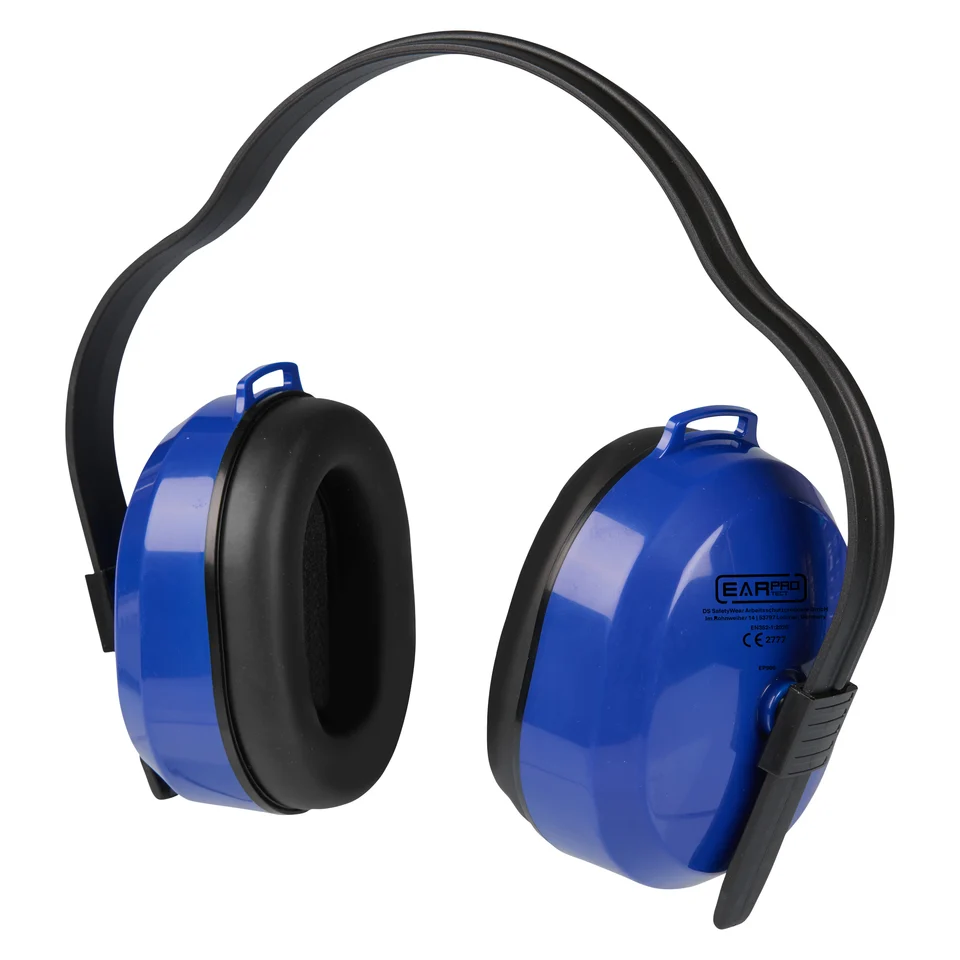
| EP902EP902 earmuffs EP902, SNR 33 | 26 dB | 65 dB(A)Too strong?Check for overprotection | 69 dB(A)Too strong?Check for overprotection | 74 dB(A)RecommendedRecommended |
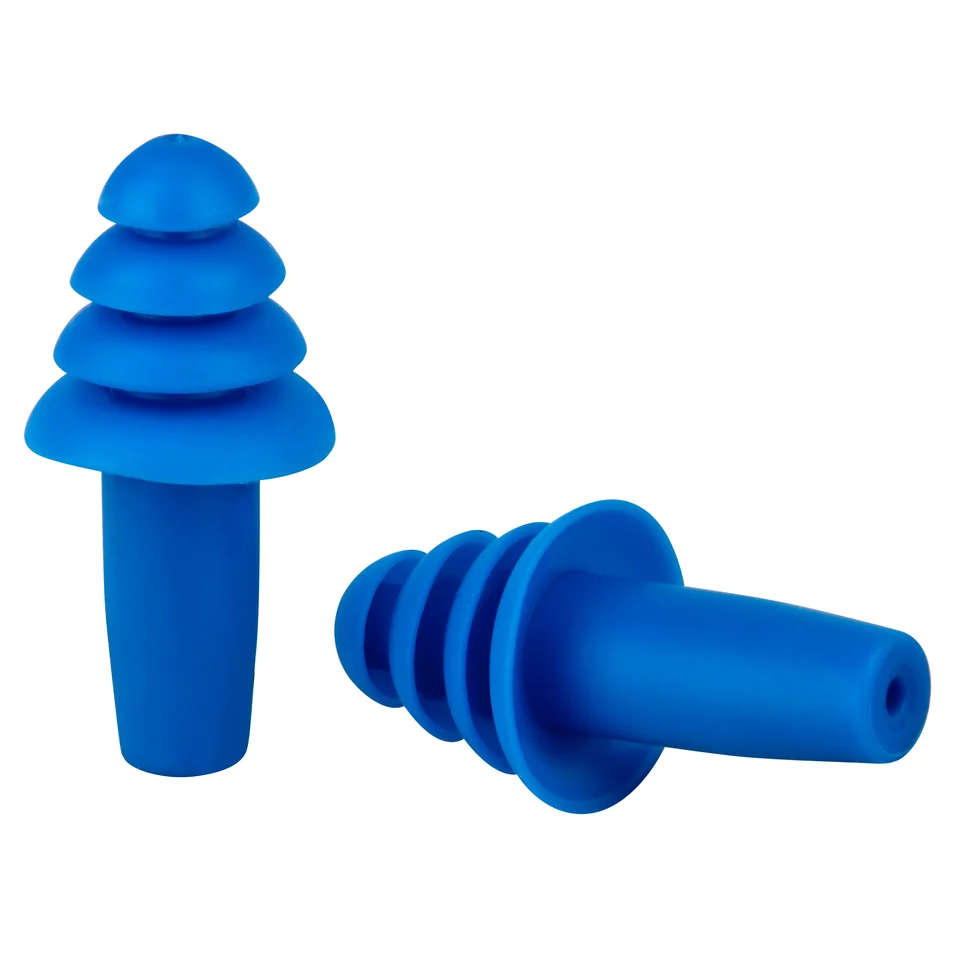
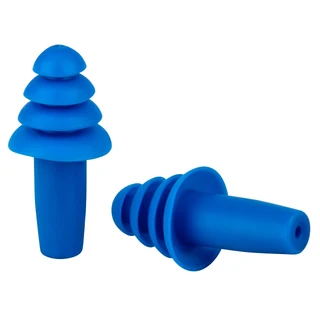
| EP001YReusable silicone earplugs EP001Y, SNR 32 | 24 dB | 67 dB(A)Too strong?Check for overprotection | 71 dB(A)RecommendedRecommended | 76 dB(A)RecommendedRecommended |
| EP906EP906 earmuffs EP906, SNR 30 | 23 dB | 68 dB(A)Too strong?Check for overprotection | 72 dB(A)RecommendedRecommended | 77 dB(A)RecommendedRecommended |
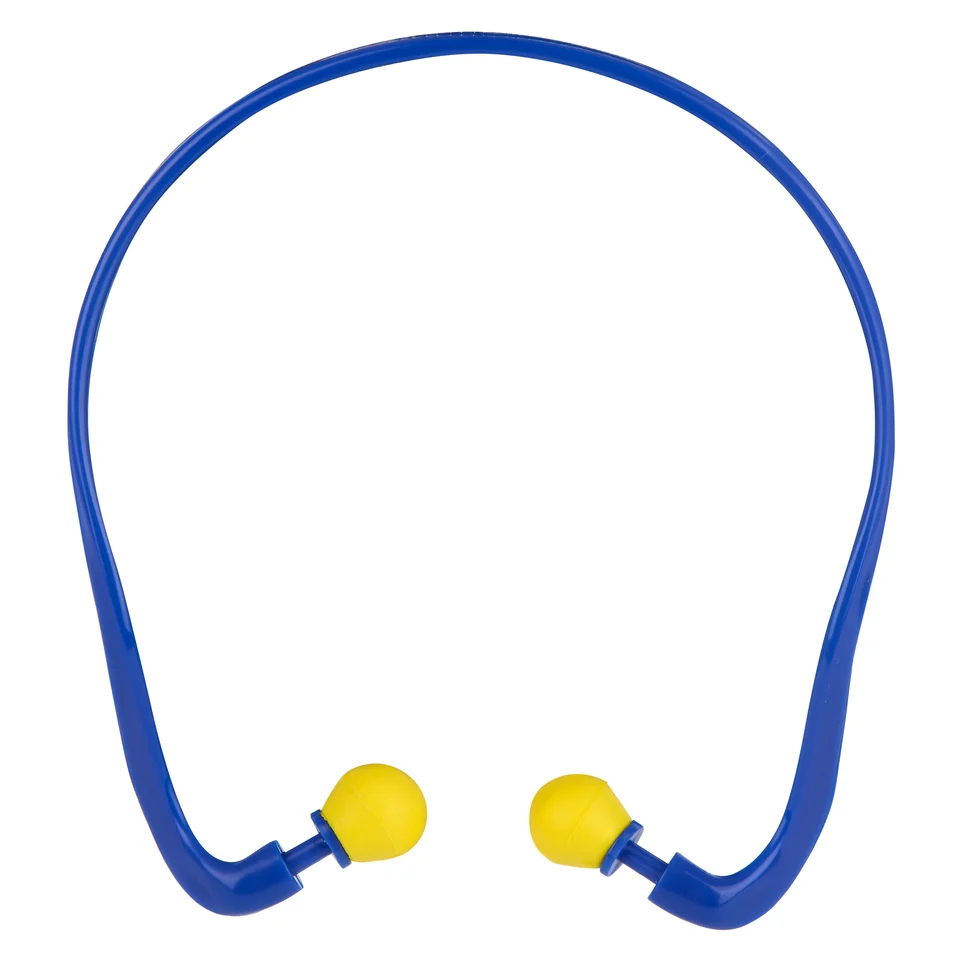
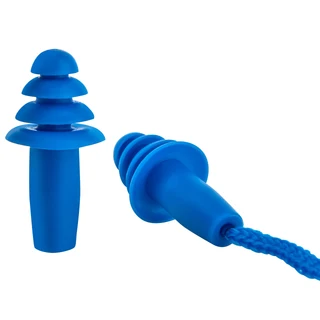
| EP100BYBanded earplugs EP100BY, SNR 29 | 21 dB | 70 dB(A)RecommendedRecommended | 74 dB(A)RecommendedRecommended | 79 dB(A)RecommendedRecommended |
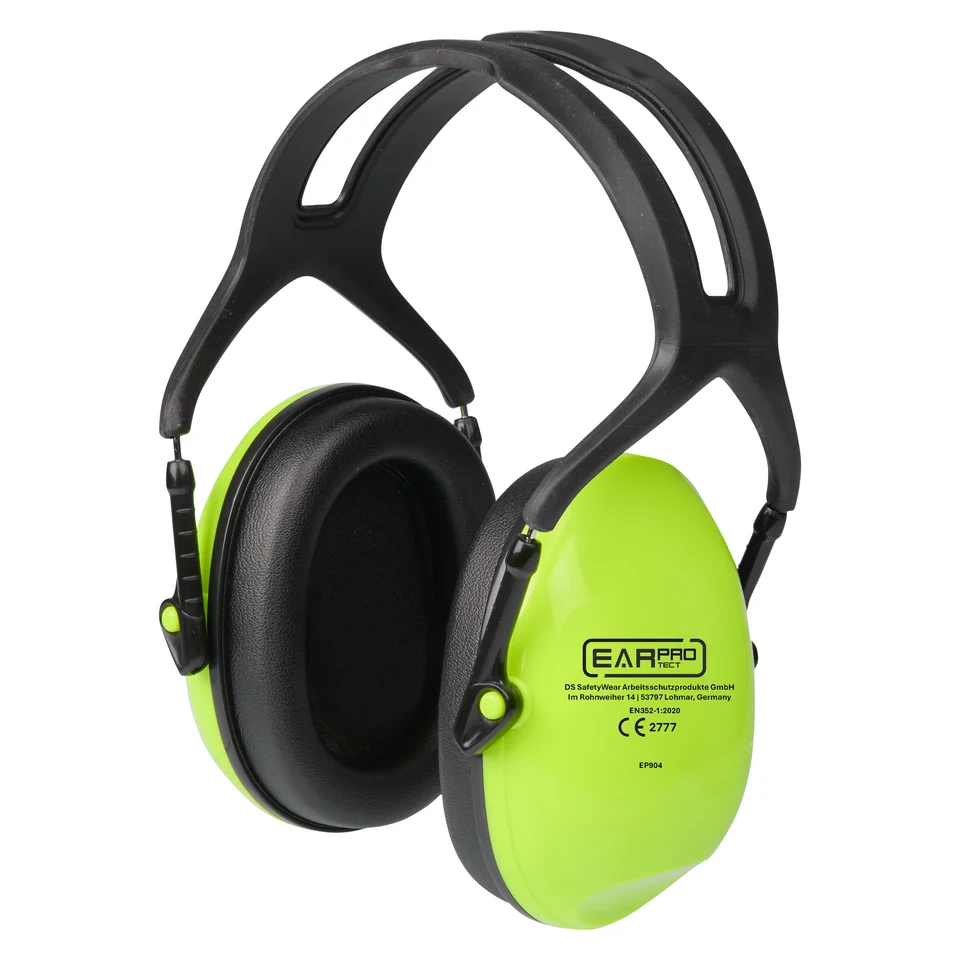
| EP904EP904 earmuffs EP904, SNR 28 | 20 dB | 71 dB(A)RecommendedRecommended | 75 dB(A)RecommendedRecommended | 80 dB(A)RecommendedRecommended |
| EP102BOBanded earplugs with conical tips EP102BO, SNR 27 | 19 dB | 72 dB(A)RecommendedRecommended | 76 dB(A)RecommendedRecommended | 81 dB(A)Not rec.Not recommended |
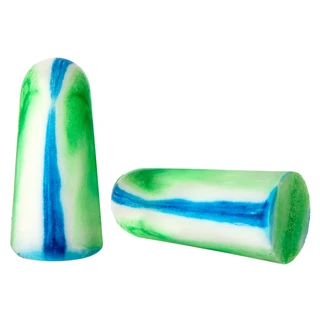
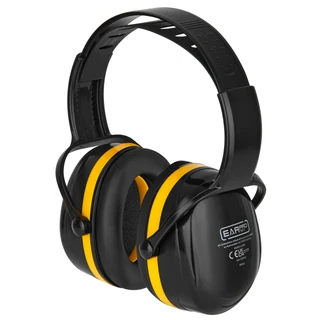
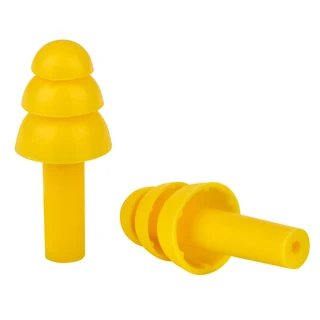
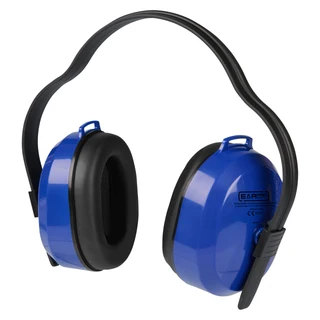
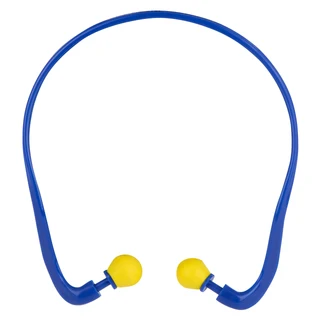
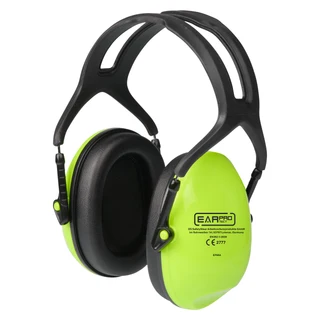
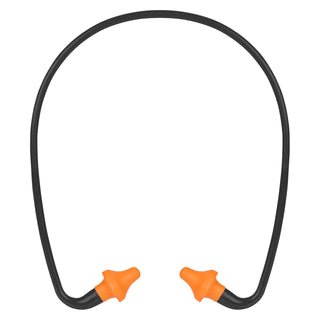
For straightening and hammering at around 100 dB(A), every hearing protector in the table is in the target range; only the light EP102BO banded earplugs are just above it with 81 dB(A). On the plasma cutter at around 95 dB(A), reusable earplugs, banded earplugs and earmuffs such as the EP906 fit; disposable foam earplugs and the EP902 attenuate slightly more than necessary there, with 69 dB(A) at the ear. For the daily exposure of 91 dB(A), the EP100BY banded earplugs, the EP102BO and the EP904 earmuffs fit, with 70 to 72 dB(A).
In the fabrication shop and on steelwork
- With safety glasses: earplugs, because spectacle arms break the seal of earmuffs (BG BAU).
- Switching between machine, assembly and meetings: earmuffs are quicker to put on and take off.
- Continuous noise at a press or punch over the whole shift: earplugs, which BG BAU recommends for continuous noise exposure.
- Mark noise areas where the daily exposure can exceed 85 dB(A) (Article 5(3) of Directive 2003/10/EC).
Frequently asked questions
Which hearing protection for metalworkers?
That depends on the noisiest task. At around 95 dB(A), for example on the plasma cutter, reusable earplugs, banded earplugs or the EP906 and EP904 earmuffs fit according to the HML check. For straightening at around 100 dB(A), the strongest models also fit: the EP1227 disposable foam earplugs and the EP902 earmuffs.
How loud is plasma cutting?
DGUV Information 209-019 gives a typical sound level of around 95 dB(A) for plasma cutting.
How loud is a guillotine shear?
According to DGUV Information 209-019, around 83 dB(A) for sheet up to 3 mm, 86 dB(A) up to 8 mm and 90 dB(A) over 8 mm.
Sources
- DGUV Information 209-019 “Safety in sheet metal working”, January 2023, table 2, in German
- BG BAU: Noise in the construction industry, practical guide (source DGUV, February 2011), in German
- Directive 2003/10/EC on the minimum health and safety requirements regarding the exposure of workers to noise
Typical values for estimation. They do not replace a measurement or a risk assessment. As of 5 October 2026.