How loud is demolition?
In its guide “Noise in the construction industry”, BG BAU lists daily noise exposure levels from measurements by the DGUV Institute for Occupational Safety and Health. For drilling and sawing concrete in demolition, the figure is 97 dB(A). After crash barrier installers (101 dB(A)) and corrosion protection workers (100 dB(A)), that is the third-highest value on the list. All values are under Hearing protection on construction sites.
Among the tasks that can exceed the upper exposure action values, BG BAU lists:
- Demolition with breakers and hammer drills, and excavators with hydraulic hammer attachments
- Working natural stone, concrete and concrete products, e.g. with stone saws or joint cutters
- Fixing work with impact drills, cartridge tools and nail guns
Peak levels count too
Besides the daily exposure, there is a second threshold: the peak sound pressure, with 135 dB(C) as the lower and 137 dB(C) as the upper exposure action value. According to BG BAU, exceeding it just once during a shift is enough for the protective measures to apply. For impact and chiselling work, the risk assessment should check this specifically.
Which hearing protection for demolition?
| Hearing protection | Effective | Daily exposure, demolitionapprox. 97 dB(A) |
|---|---|---|
| EP1227BWGDisposable foam earplugs EP1227BWG, SNR 37 | 26 dB | 71 dB(A)RecommendedRecommended |
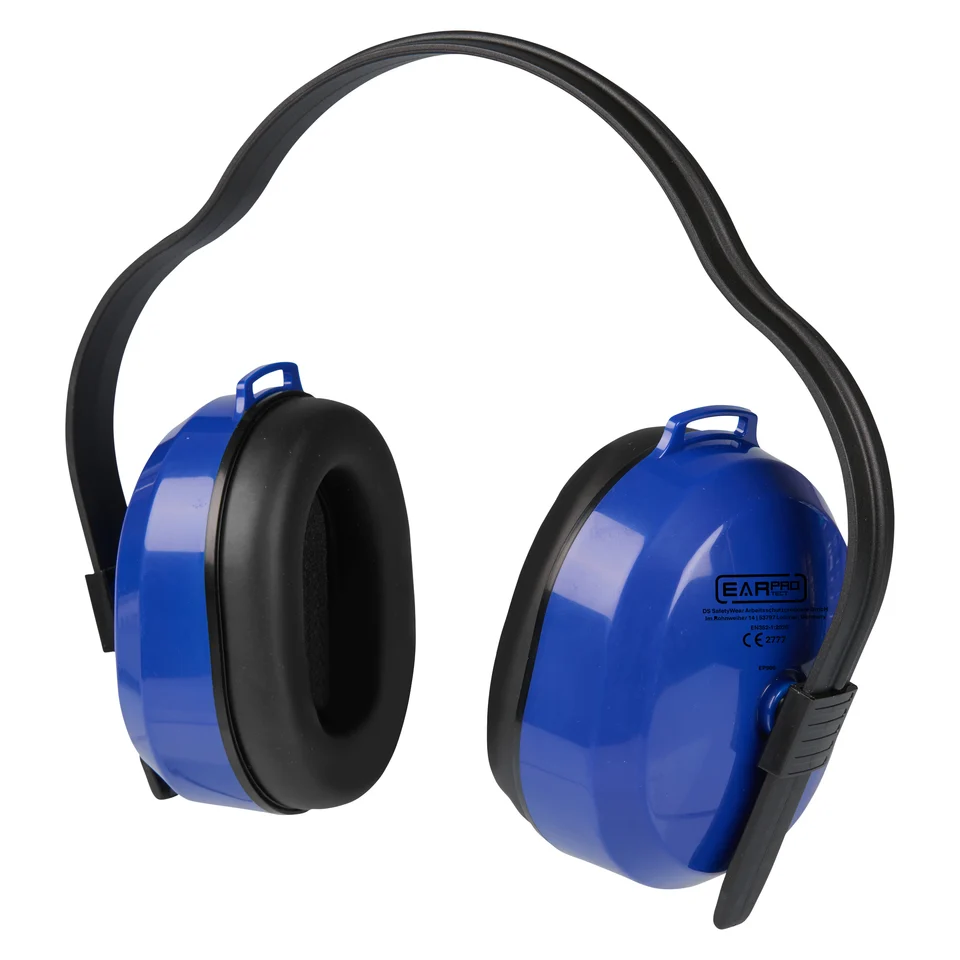
| EP902EP902 earmuffs EP902, SNR 33 | 26 dB | 71 dB(A)RecommendedRecommended |
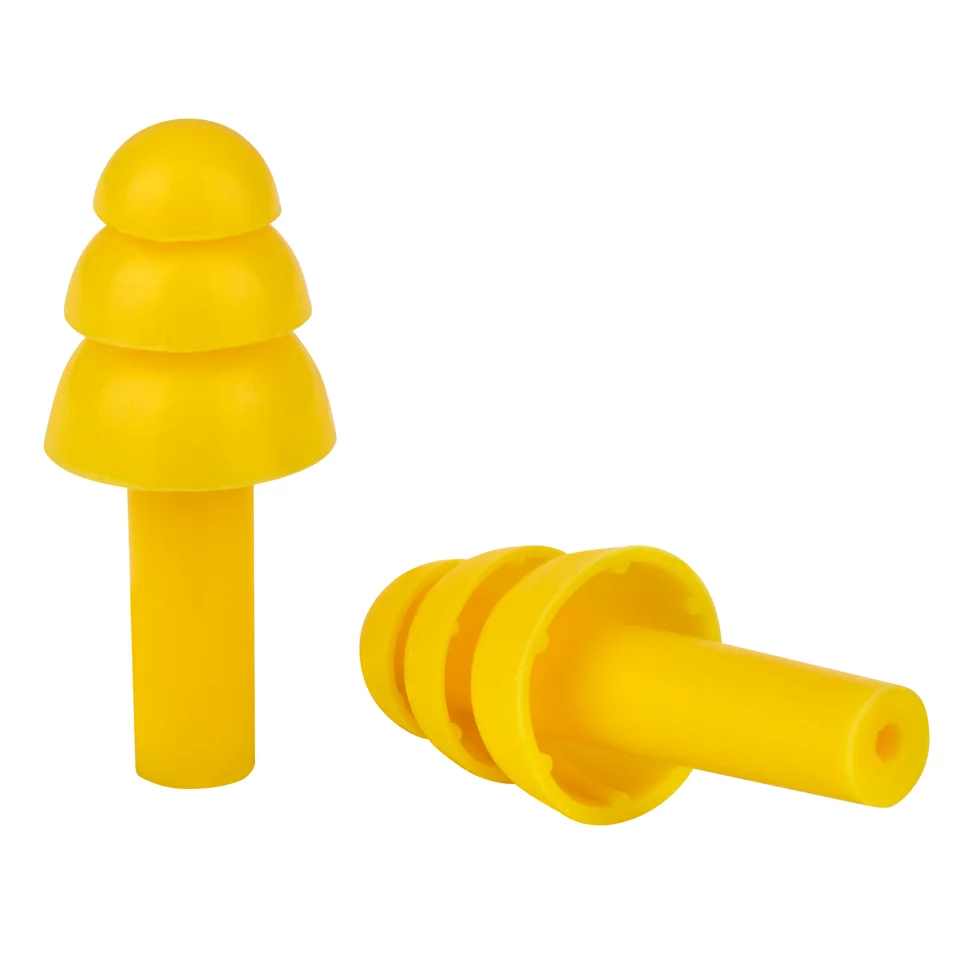
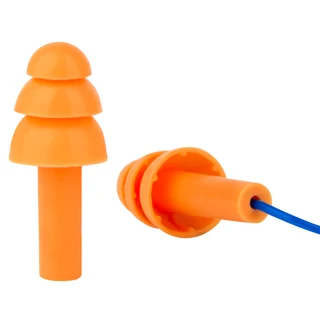
| EP001YReusable silicone earplugs EP001Y, SNR 32 | 24 dB | 73 dB(A)RecommendedRecommended |
| EP906EP906 earmuffs EP906, SNR 30 | 23 dB | 74 dB(A)RecommendedRecommended |
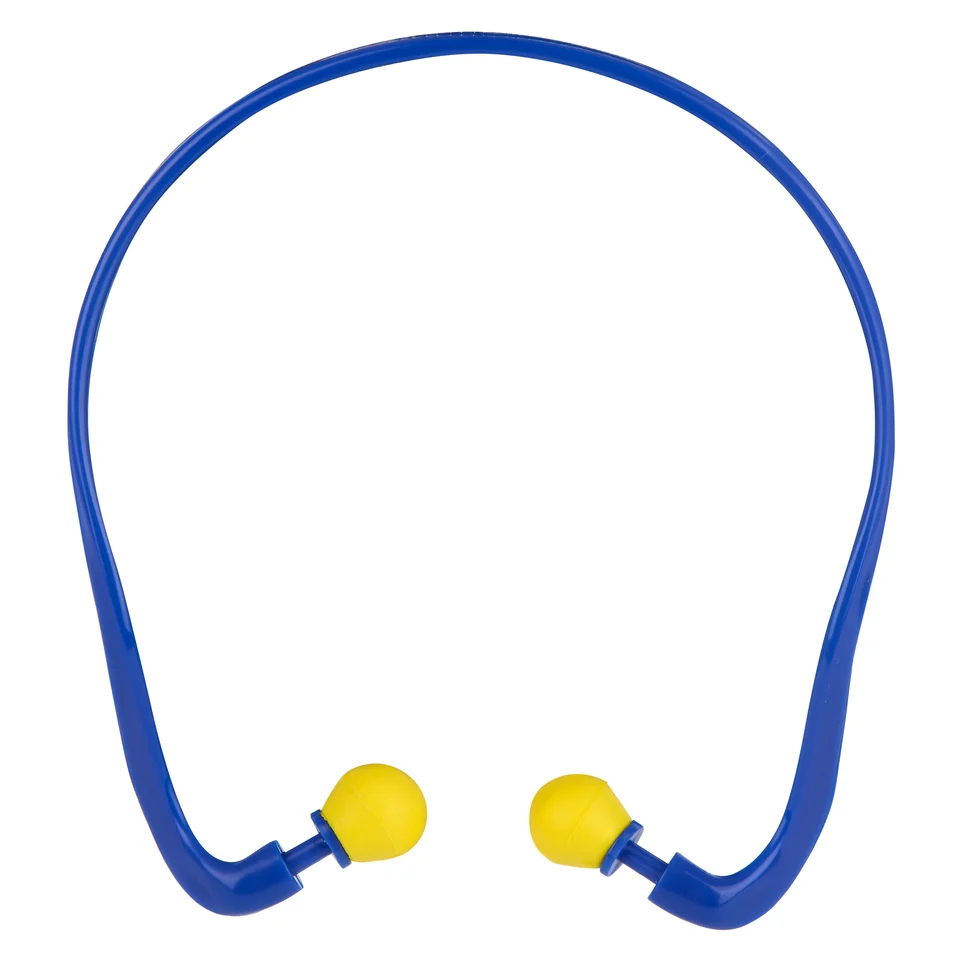
| EP100BYBanded earplugs EP100BY, SNR 29 | 21 dB | 76 dB(A)RecommendedRecommended |
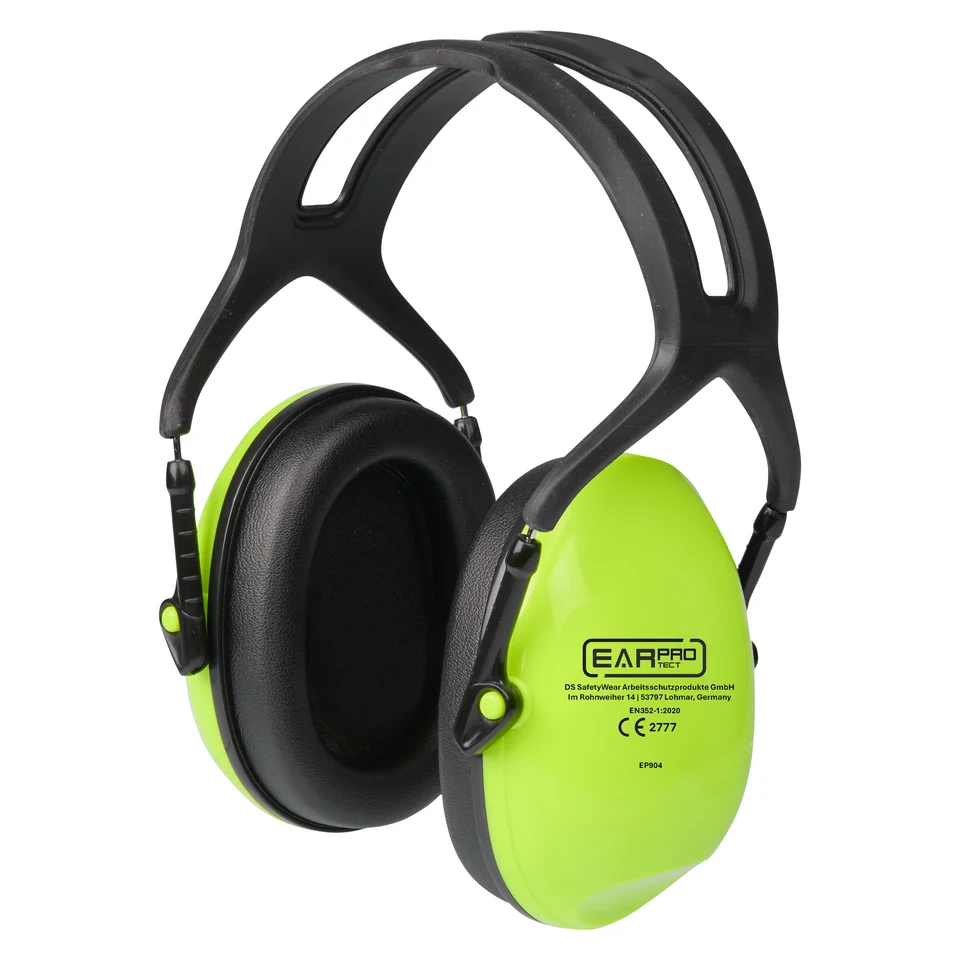
| EP904EP904 earmuffs EP904, SNR 28 | 20 dB | 77 dB(A)RecommendedRecommended |
| EP102BOBanded earplugs with conical tips EP102BO, SNR 27 | 19 dB | 78 dB(A)RecommendedRecommended |
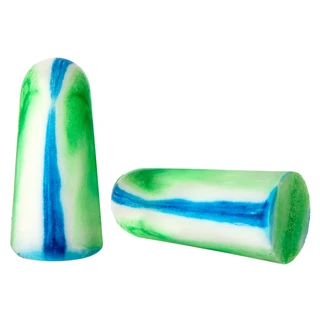
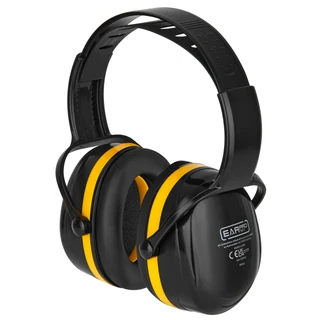
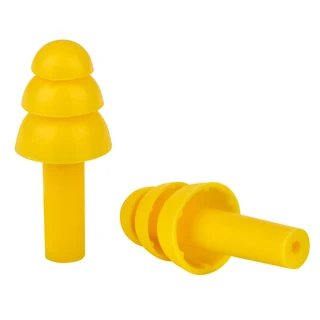
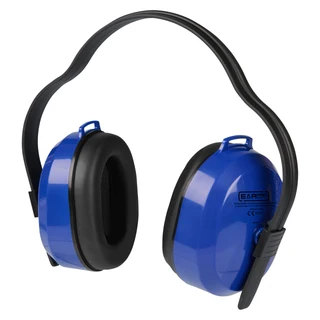
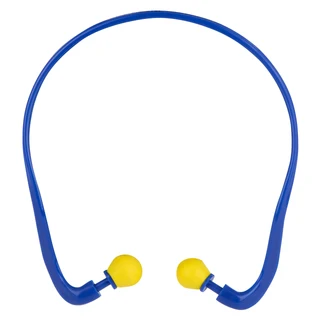
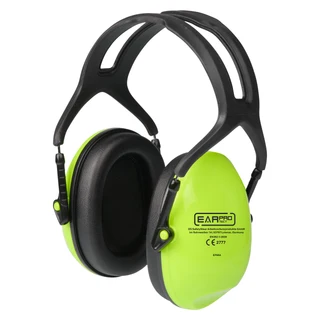
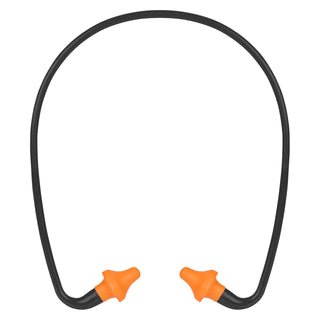
At 97 dB(A), every hearing protector in the table is in the target range according to the HML check: from the EP1227 disposable foam earplugs and the EP902 earmuffs with 71 dB(A) at the ear, through the reusable earplugs (73 dB(A)) and the EP906 and EP904 earmuffs, to the banded earplugs. The daily exposure is an average over the shift, however; during the noisiest work the level is higher. The stronger models have more reserve for that.
On the demolition site
- Quieter methods first: BG BAU gives the example of demolishing structures with hydraulic crushers.
- With safety glasses, earplugs work better than earmuffs, because spectacle arms break the seal of earmuffs (BG BAU).
- Frequent switching between noisy and quiet work: earmuffs are quicker to put on and take off.
- Workers nearby are at risk too, not just the person operating the tool. Mark noise areas and delimit them where possible.
Frequently asked questions
Which hearing protection for a jackhammer?
BG BAU counts breakers and hammer drills among the tools that can exceed the upper exposure action values. For demolition, it gives a daily exposure of 97 dB(A). There, according to the HML check of DGUV Rule 112-194, all earplugs and earmuffs in our level-at-the-ear table leave 70 to 80 dB(A) at the ear, from EP1227 and EP902 (71 dB(A)) to the EP102BO banded earplugs (78 dB(A)).
Is hearing protection with SNR 37 enough for demolition?
For the EP1227 disposable earplugs, yes: with the M value of 35 dB and a 9 dB real-world deduction, around 71 dB(A) reaches the ear at 97 dB(A), in the recommended range. What matters is not the SNR alone but the M or L value, fit and wearing time.
When is hearing protection required on site?
From a daily exposure of 85 dB(A) or a peak level of 137 dB(C), it must be worn; from 80 dB(A) or 135 dB(C), the employer must make it available (Articles 3 and 6 of Directive 2003/10/EC).
Sources
- BG BAU: Noise in the construction industry, practical guide (source DGUV, February 2011), in German
- Directive 2003/10/EC on the minimum health and safety requirements regarding the exposure of workers to noise
Typical values for estimation. They do not replace a measurement or a risk assessment. As of 5 October 2026.