How loud is grinding?
| Task | Level | Source |
|---|---|---|
| Belt grinding | approx. 90 dB(A) | DGUV Information 209-019 |
| Angle grinder in vehicle workshops | 96.6 dB(A), 154 measurements | AUVA Report 83 |
| Rough grinding, tank and shipbuilding | approx. 107 dB(A) | BAuA Fb 847 |
| Grinding inside tanks | up to 115 dB(A) | BAuA Fb 847 |
How high the daily exposure is depends on how long the grinding lasts. Because every doubling of sound energy adds only 3 dB, short times are enough: at 107 dB(A), the daily exposure of 85 dB(A) is reached after about three minutes. From 85 dB(A), hearing protection must be worn.
Which hearing protection for grinding?
The target under hearing protection is 70 to 80 dB(A). The table calculates this for three typical levels.
| Hearing protection | Effective | Belt grindingapprox. 90 dB(A) | Angle grinderapprox. 97 dB(A) | Rough grindingapprox. 107 dB(A) |
|---|---|---|---|---|
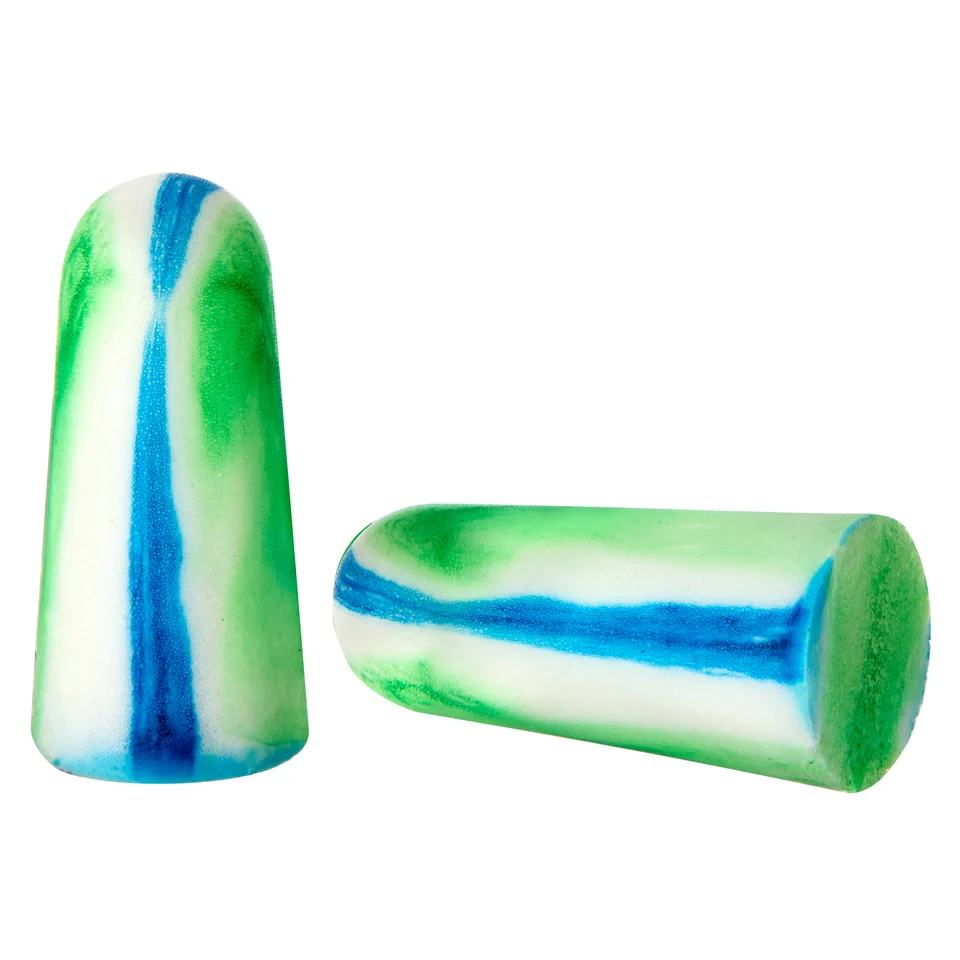
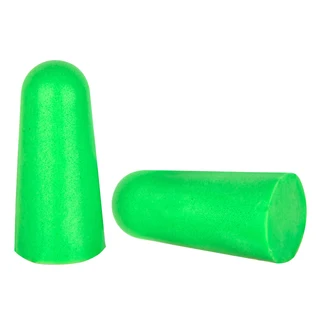
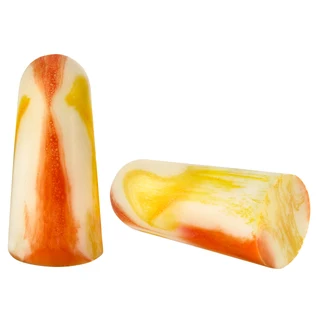
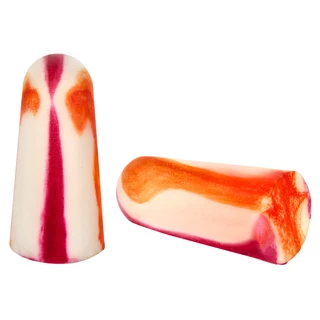
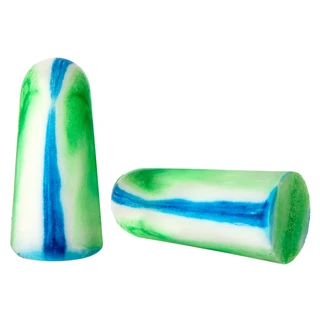
| EP1227BWGDisposable foam earplugs EP1227BWG, SNR 37 | 26 dB | 64 dB(A)Too strong?Check for overprotection | 71 dB(A)RecommendedRecommended | 81 dB(A)Not rec.Not recommended |
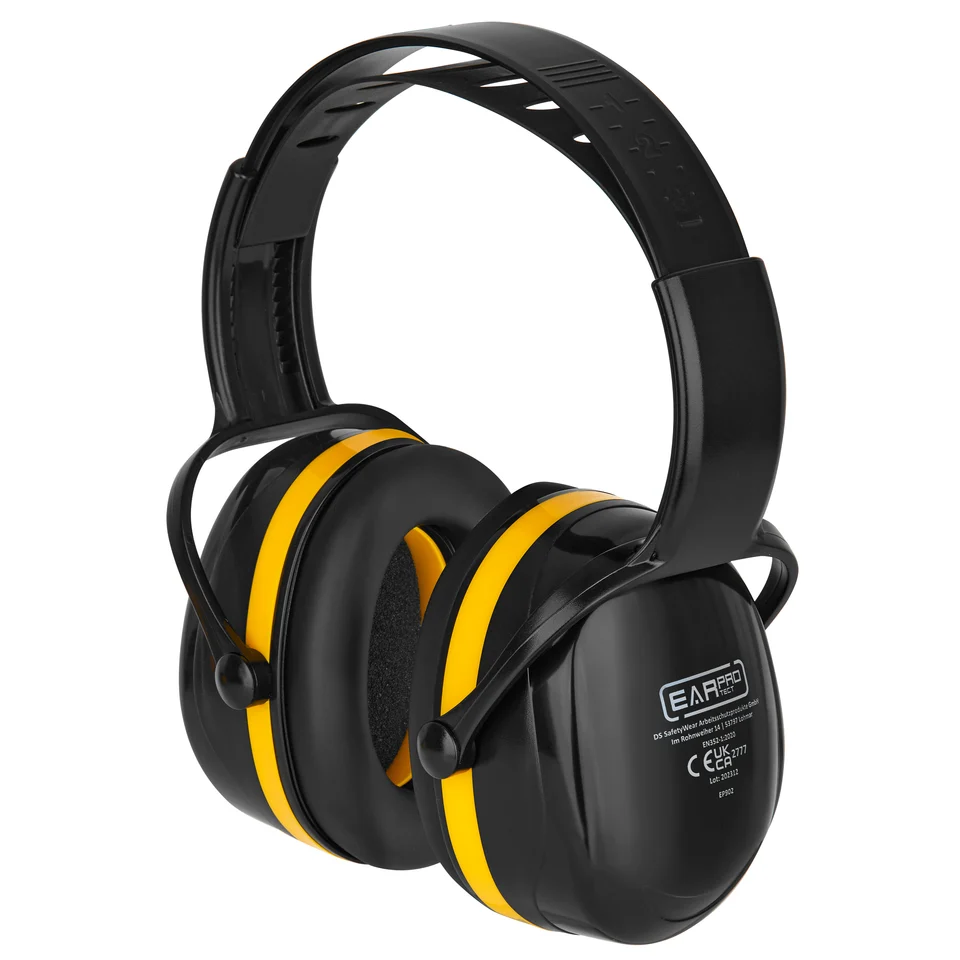
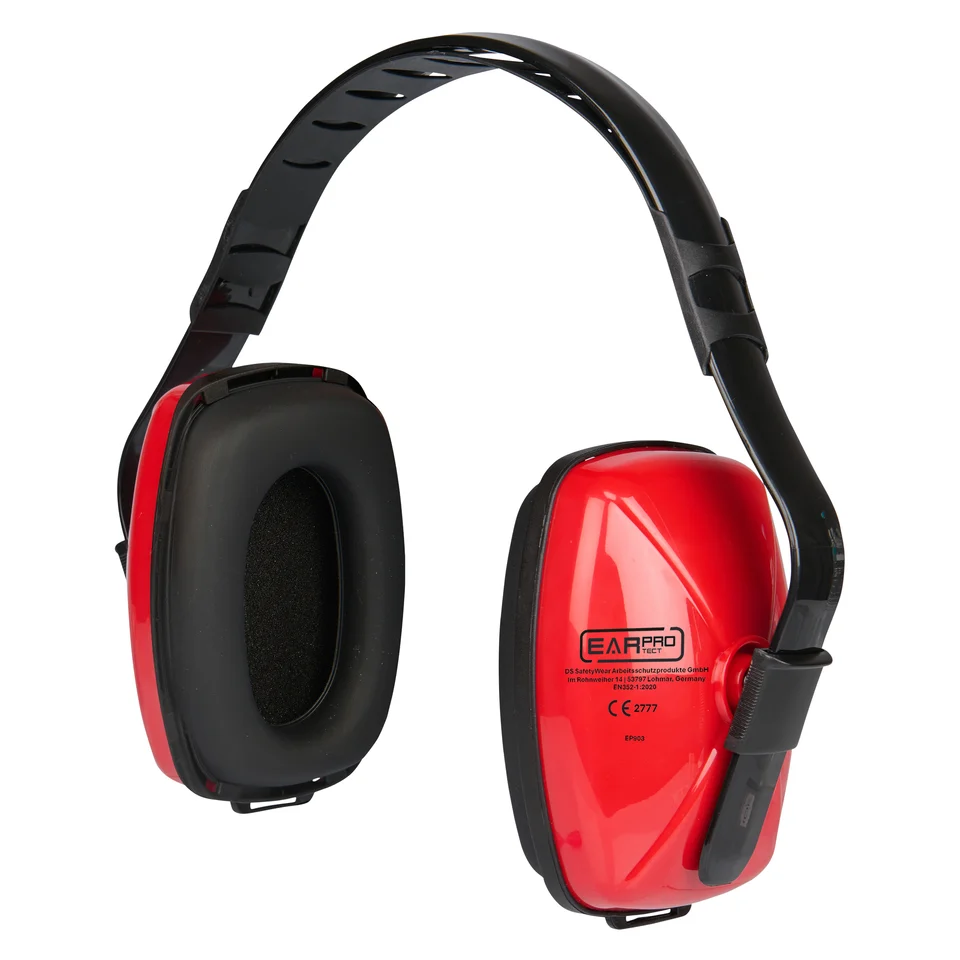
| EP902EP902 earmuffs EP902, SNR 33 | 26 dB | 64 dB(A)Too strong?Check for overprotection | 71 dB(A)RecommendedRecommended | 81 dB(A)Not rec.Not recommended |
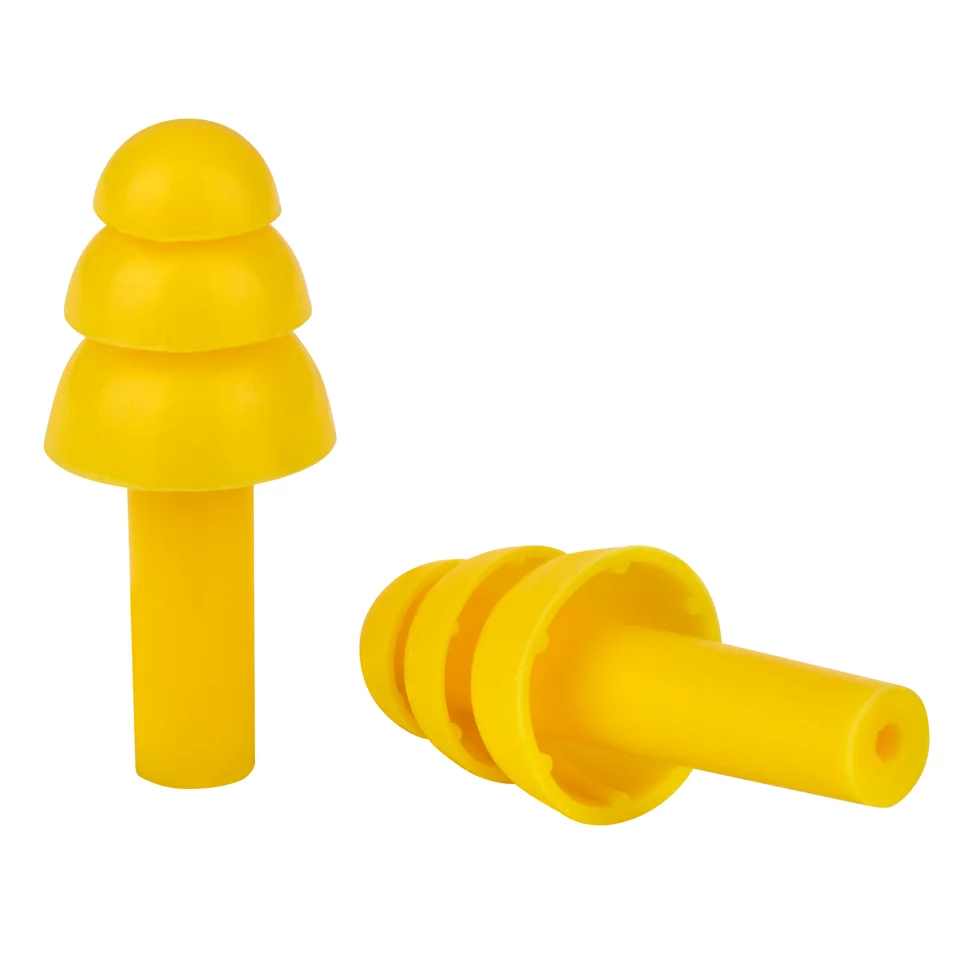
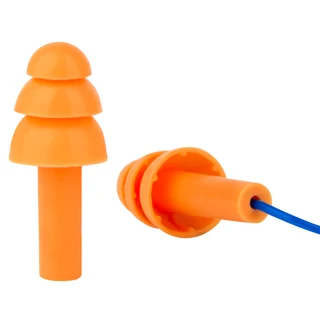
| EP001YReusable silicone earplugs EP001Y, SNR 32 | 24 dB | 66 dB(A)Too strong?Check for overprotection | 73 dB(A)RecommendedRecommended | 83 dB(A)Not rec.Not recommended |
| EP906EP906 earmuffs EP906, SNR 30 | 23 dB | 67 dB(A)Too strong?Check for overprotection | 74 dB(A)RecommendedRecommended | 84 dB(A)Not rec.Not recommended |
| EP100BYBanded earplugs EP100BY, SNR 29 | 21 dB | 69 dB(A)Too strong?Check for overprotection | 76 dB(A)RecommendedRecommended | 86 dB(A)Not permittedNot permitted |
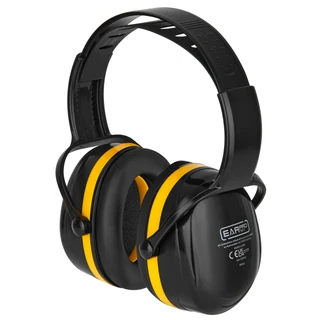
| EP904EP904 earmuffs EP904, SNR 28 | 20 dB | 70 dB(A)RecommendedRecommended | 77 dB(A)RecommendedRecommended | 87 dB(A)Not permittedNot permitted |
| EP102BOBanded earplugs with conical tips EP102BO, SNR 27 | 19 dB | 71 dB(A)RecommendedRecommended | 78 dB(A)RecommendedRecommended | 88 dB(A)Not permittedNot permitted |
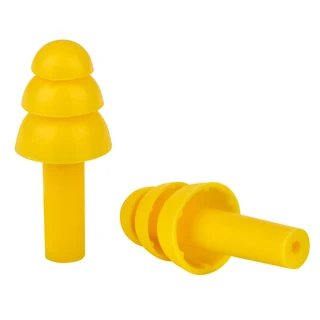
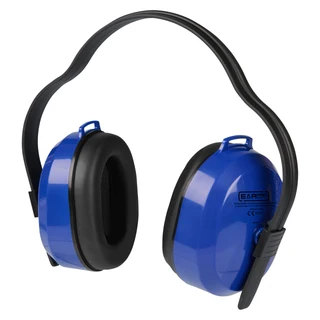
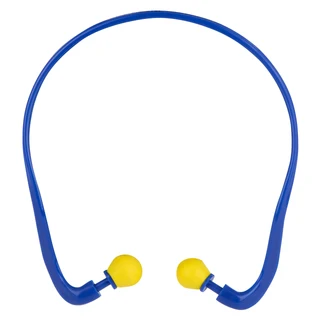
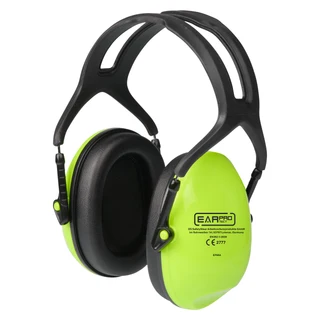
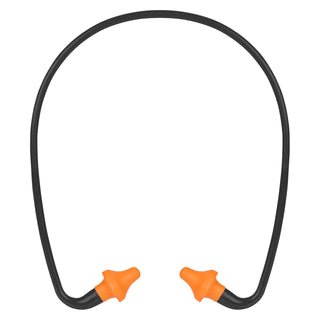
For rough grinding at around 107 dB(A), no hearing protector in the range reaches the target range according to the HML check. The closest are the EP1227 disposable earplugs and the EP902 earmuffs, each with 81 dB(A) at the ear: permissible, but not recommended. The reusable earplugs (83 dB(A)) and the EP906 (84 dB(A)) stay just below 85 dB(A), the highest level DGUV Rule 112-194 accepts at the ear; lighter models are above it. On the angle grinder at around 97 dB(A), every hearing protector in the table is in the target range; for belt grinding at around 90 dB(A), only the lighter ones: the EP904 earmuffs and the EP102BO banded earplugs.
Grinding inside tanks at up to 115 dB(A): no single hearing protector in the range is enough here. Even with 26 dB of effective attenuation (M value minus real-world deduction), 89 dB(A) would reach the ear, above the EU exposure limit value of 87 dB(A). The level must first come down through technical and organisational measures, as set out in the risk assessment. For extreme levels, DGUV Rule 112-194 also mentions combining earplugs and earmuffs, and qualified use: training with practical exercises at least four times a year, documented. The real-world deduction then no longer applies, see Hearing protection training.
Look at the H value
Grinding noise is bright and high-frequency; DGUV Rule 112-194 puts grinders and cut-off grinders in noise class HM. For such noise, the H and M values say more than the SNR. The highest H values in the range belong to the EP1227 disposable earplugs with H 37 dB and the EP903 earmuffs with H 36 dB. More in SNR and H/M/L explained.
In the grinding shop
- Put hearing protection on before switching on and take it off only after switching off. At 107 dB(A), every minute without protection counts.
- With safety glasses, earplugs are the better choice, because spectacle arms break the seal of earmuffs. BG BAU recommends this too.
- Many short grinding passes with breaks in between: earmuffs are quicker to put on and take off.
- Anyone standing next to the grinding work is also at risk. Areas where the daily exposure can exceed 85 dB(A) must be marked as noise areas (Article 5(3) of Directive 2003/10/EC; in the UK, hearing protection zones).
Frequently asked questions
How loud is an angle grinder?
In AUVA measurements in vehicle workshops, the average was 96.6 dB(A), from 154 measurements. For rough grinding in tank and shipbuilding, BAuA gives around 107 dB(A).
Which hearing protection for angle grinding?
On an angle grinder at around 97 dB(A), all earplugs and earmuffs in our level-at-the-ear table fit according to the HML check of DGUV Rule 112-194. For rough grinding at around 107 dB(A), even the strongest, the EP1227 disposable foam earplugs and the EP902 earmuffs, only get down to 81 dB(A) at the ear: permissible, but not recommended. Quieter processes, shorter grinding times or qualified use with regular exercises help there.
How long can you grind without hearing protection?
At 107 dB(A), the daily exposure of 85 dB(A) is reached after about three minutes. In practice, that means wearing hearing protection for every grinding pass.
Sources
- BAuA research report Fb 847 “Noise reduction in rough grinding with hand-held machine tools”, 1999, in German
- DGUV Information 209-019 “Safety in sheet metal working”, January 2023, table 2, in German
- AUVA Report 83 “Noise exposure at workplaces in motor vehicle workshops”, table 10, in German
- BG BAU: Noise in the construction industry, practical guide (source DGUV, February 2011), in German
- Directive 2003/10/EC on the minimum health and safety requirements regarding the exposure of workers to noise
Typical values for estimation. They do not replace a measurement or a risk assessment. As of 5 October 2026.