How loud is sewer construction?
| Occupation | Daily exposure |
|---|---|
| Sewer construction workers | 95 dB(A) |
| Track workers | 94 dB(A) |
| Civil engineering workers, specialist foundation work | 92 dB(A) |
| Asphalt pavers | 91 dB(A) |
| Road builders, preparing road surfacing | 89 dB(A) |
BG BAU also names typical noise sources:
- Shoring work in sewer construction, e.g. fitting and removing struts and spindles with hammer blows
- Pipe installation by impact with soil displacement hammers (impact moles)
- Soil compaction with combustion rammers, vibrating plates and vibratory rollers
- Piling, e.g. with impact pile drivers
Which hearing protection for sewer construction?
| Hearing protection | Effective | Daily exposure, sewer constructionapprox. 95 dB(A) |
|---|---|---|
| EP1227BWGDisposable foam earplugs EP1227BWG, SNR 37 | 26 dB | 69 dB(A)Too strong?Check for overprotection |
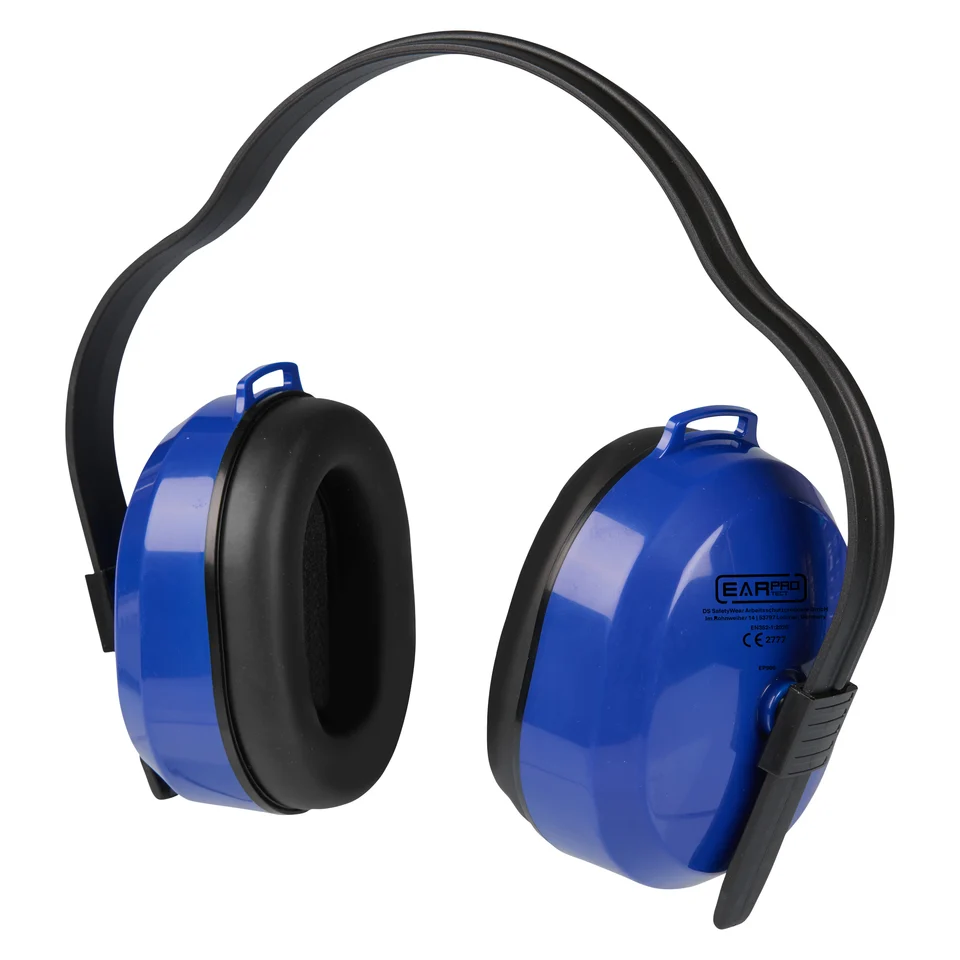
| EP902EP902 earmuffs EP902, SNR 33 | 26 dB | 69 dB(A)Too strong?Check for overprotection |
| EP001YReusable silicone earplugs EP001Y, SNR 32 | 24 dB | 71 dB(A)RecommendedRecommended |
| EP906EP906 earmuffs EP906, SNR 30 | 23 dB | 72 dB(A)RecommendedRecommended |
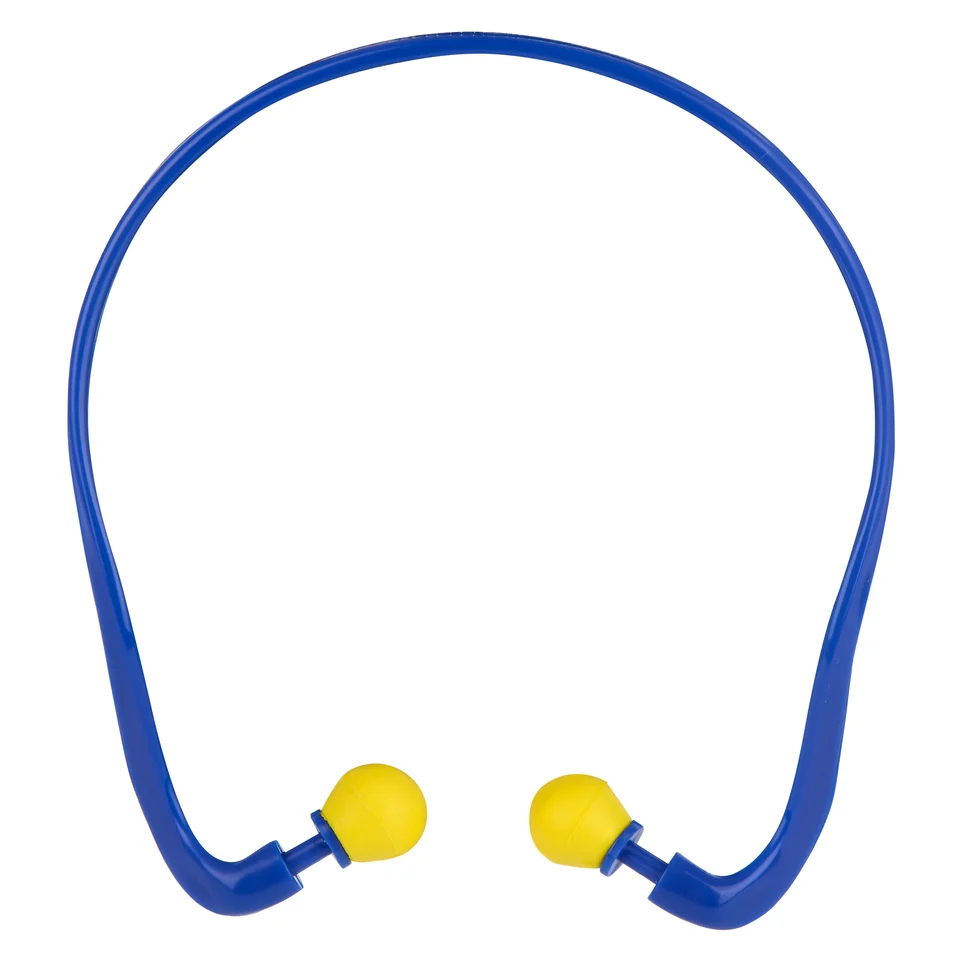
| EP100BYBanded earplugs EP100BY, SNR 29 | 21 dB | 74 dB(A)RecommendedRecommended |
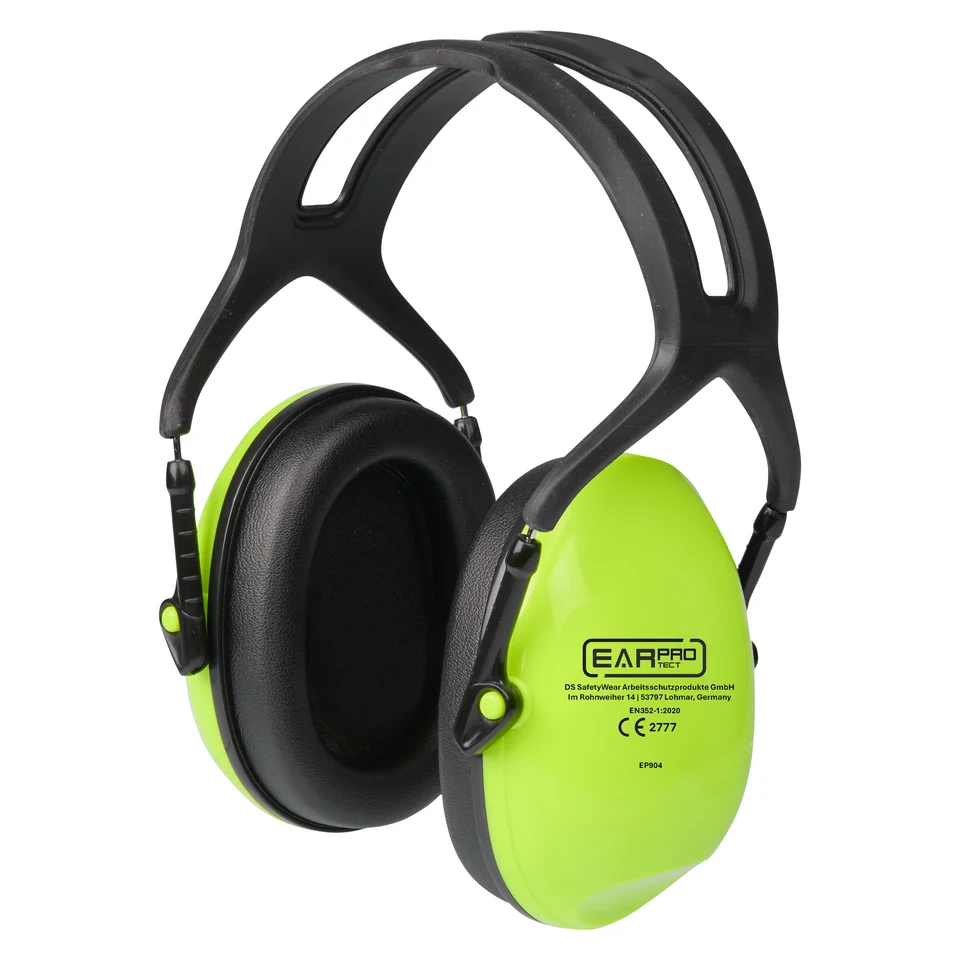
| EP904EP904 earmuffs EP904, SNR 28 | 20 dB | 75 dB(A)RecommendedRecommended |
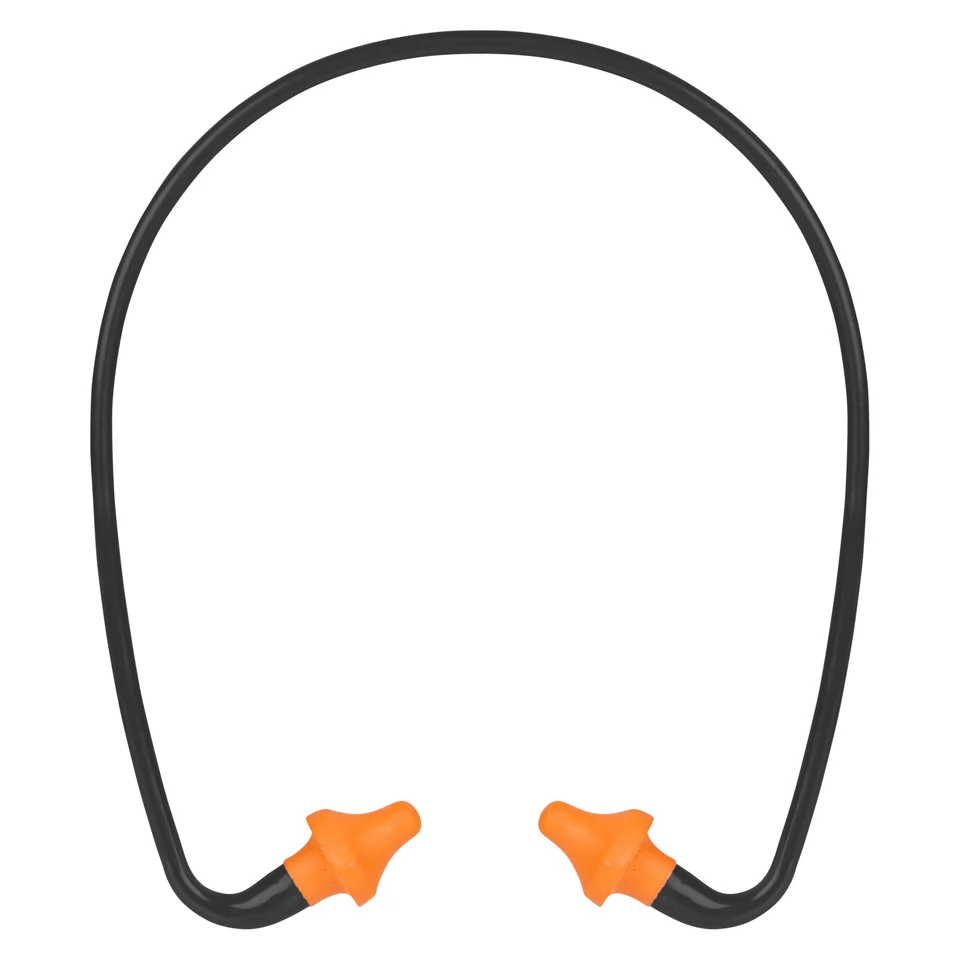
| EP102BOBanded earplugs with conical tips EP102BO, SNR 27 | 19 dB | 76 dB(A)RecommendedRecommended |

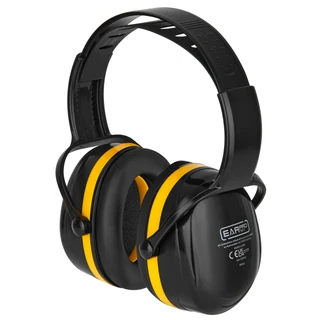
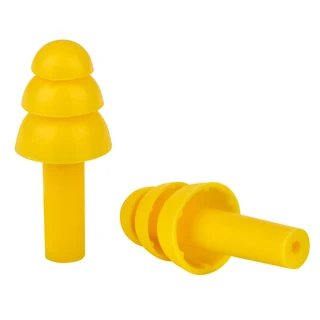
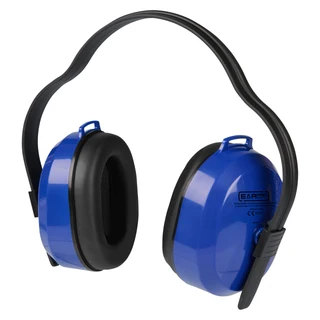
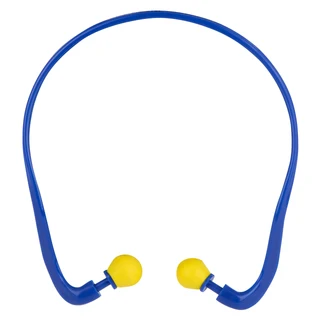
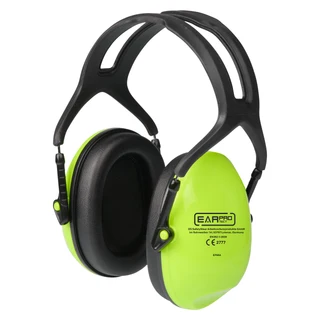
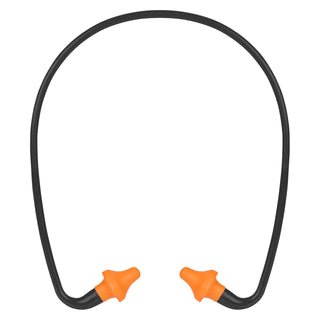
At 95 dB(A), hearing protection with 15 to 25 dB of effective attenuation (M value minus real-world deduction) fits. In the range, these are the reusable earplugs with 71 dB(A) at the ear, the EP906 earmuffs with 72 dB(A), the EP903, EP905 and EP904 earmuffs and banded earplugs with 74 to 76 dB(A). Disposable foam earplugs and the EP902 leave 69 dB(A) at the ear and attenuate slightly more than necessary.
In the trench
- Hear traffic and machines: next to the road in particular, warning signals must get through. Too much attenuation is a risk of its own here, see Overprotection.
- Frequently putting it on and taking it off, for example between shoring and surveying: earmuffs are quicker to change (BG BAU).
- With safety glasses: earplugs or banded earplugs, because spectacle arms break the seal of earmuffs.
- Anyone working near compactors or pile drivers is also at risk, even without operating a noisy machine themselves.
Frequently asked questions
Which hearing protection for sewer construction?
At the daily exposure of 95 dB(A) from the BG BAU list, reusable earplugs, banded earplugs and the EP903 to EP906 earmuffs fit according to the HML check. They leave 71 to 76 dB(A) at the ear.
Is hearing protection mandatory in sewer construction?
At a daily exposure of 95 dB(A), yes. From 85 dB(A), hearing protection must be worn, and the employer must mark the noise area (Articles 5(3) and 6 of Directive 2003/10/EC).
Can hearing protection attenuate too much?
Yes. Below 70 dB(A) at the ear, hearing protection is considered too strong, because warning signals and shouts are harder to hear. This is particularly important in road and sewer construction with site traffic.
Sources
- BG BAU: Noise in the construction industry, practical guide (source DGUV, February 2011), in German
- Directive 2003/10/EC on the minimum health and safety requirements regarding the exposure of workers to noise
Typical values for estimation. They do not replace a measurement or a risk assessment. As of 5 October 2026.