How loud are circular saws, nailers and chainsaws?
| Machine | Workshop | Site |
|---|---|---|
| Hand-held circular saw | 98.2 dB(A) | 101.3 dB(A) |
| Chainsaw, petrol | 101.9 dB(A) | 98.9 dB(A) |
| Chainsaw, electric | 96.6 dB(A) | 93.9 dB(A) |
| Pneumatic nailer | 99.9 dB(A) | 97.4 dB(A) |
| Impact drill | – | 97.2 dB(A) |
| Beam planer | 98.0 dB(A) | – |
| Mitre saw | 97.2 dB(A) | – |
| Chain mortiser | 97.0 dB(A) | – |
| Sliding table saw | 94.7 dB(A) | – |
| CNC timber framing machine | 94.1 dB(A) | – |
| Hammering | – | 93.3 dB(A) |
| Assembly without noisy individual tools | – | 83.1 dB(A) |
Nail guns: watch the peak level
Nailers produce short, very loud bangs. The peak sound pressure has its own upper exposure action value of 137 dB(C). On construction sites, AUVA measured an average of 132.7 dB(C) at pneumatic nailers; the 95th percentile is 138.8 dB(C), above the action value. According to BG BAU, exceeding it just once in a shift is enough for the protective measures to apply.
Which hearing protection for carpenters?
The daily exposure is an average over the shift. Anyone who wears hearing protection during the noisy tasks should match the attenuation to the level of that task. The table shows both.
| Hearing protection | Effective | Daily exposure, BG BAUapprox. 91 dB(A) | Nail gunapprox. 97 dB(A) | Circular sawapprox. 101 dB(A) |
|---|---|---|---|---|
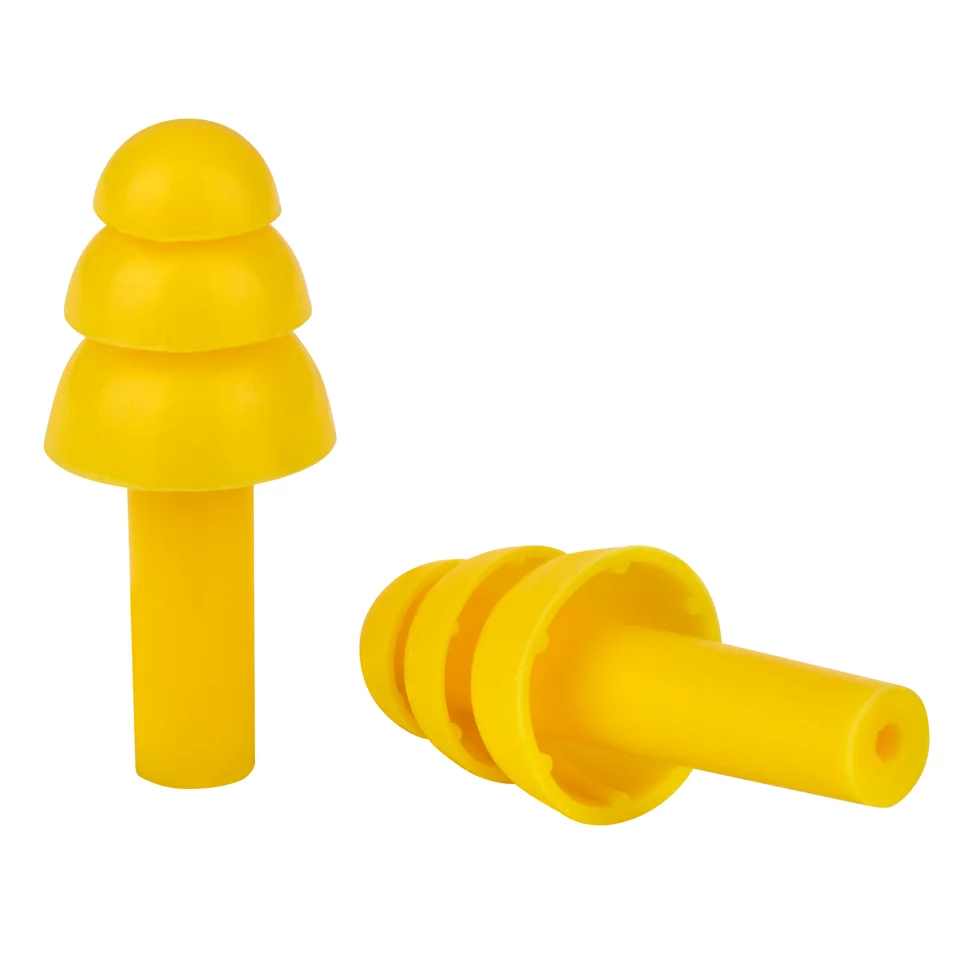
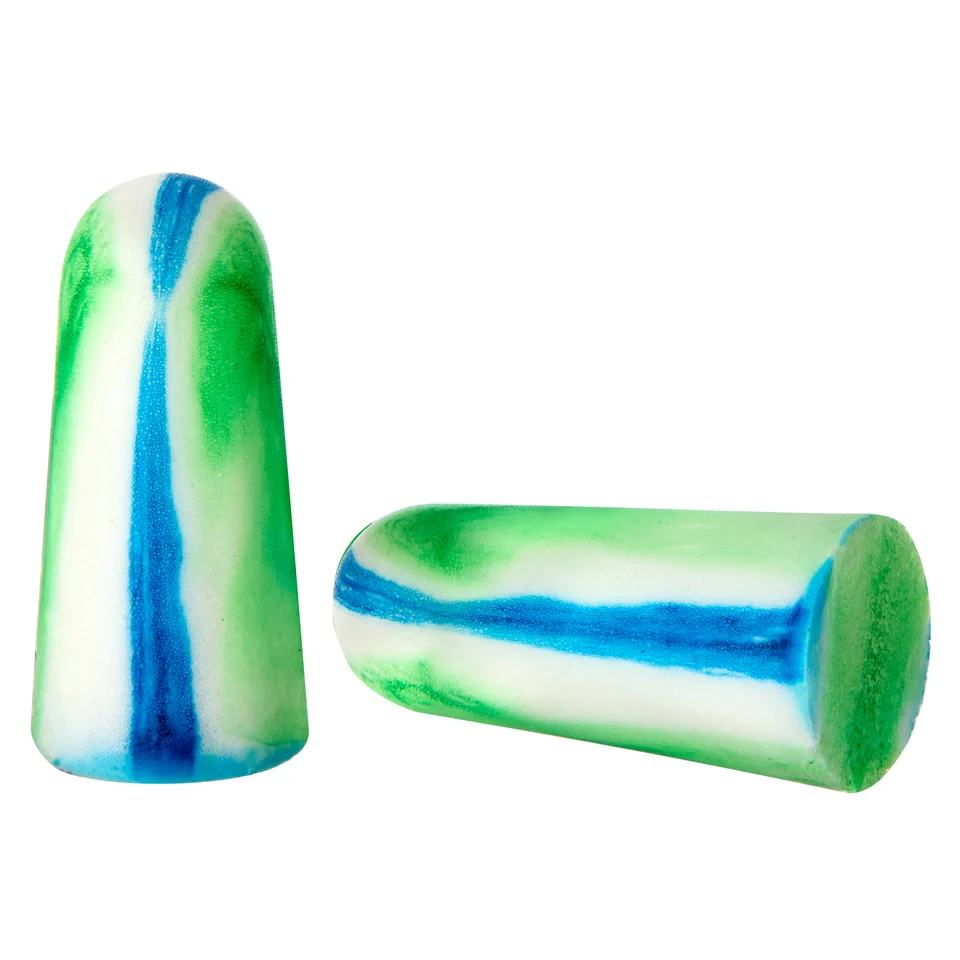
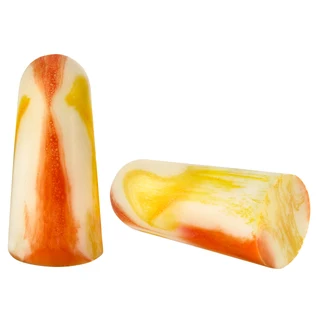
| EP1227BWGDisposable foam earplugs EP1227BWG, SNR 37 | 26 dB | 65 dB(A)Too strong?Check for overprotection | 71 dB(A)RecommendedRecommended | 75 dB(A)RecommendedRecommended |
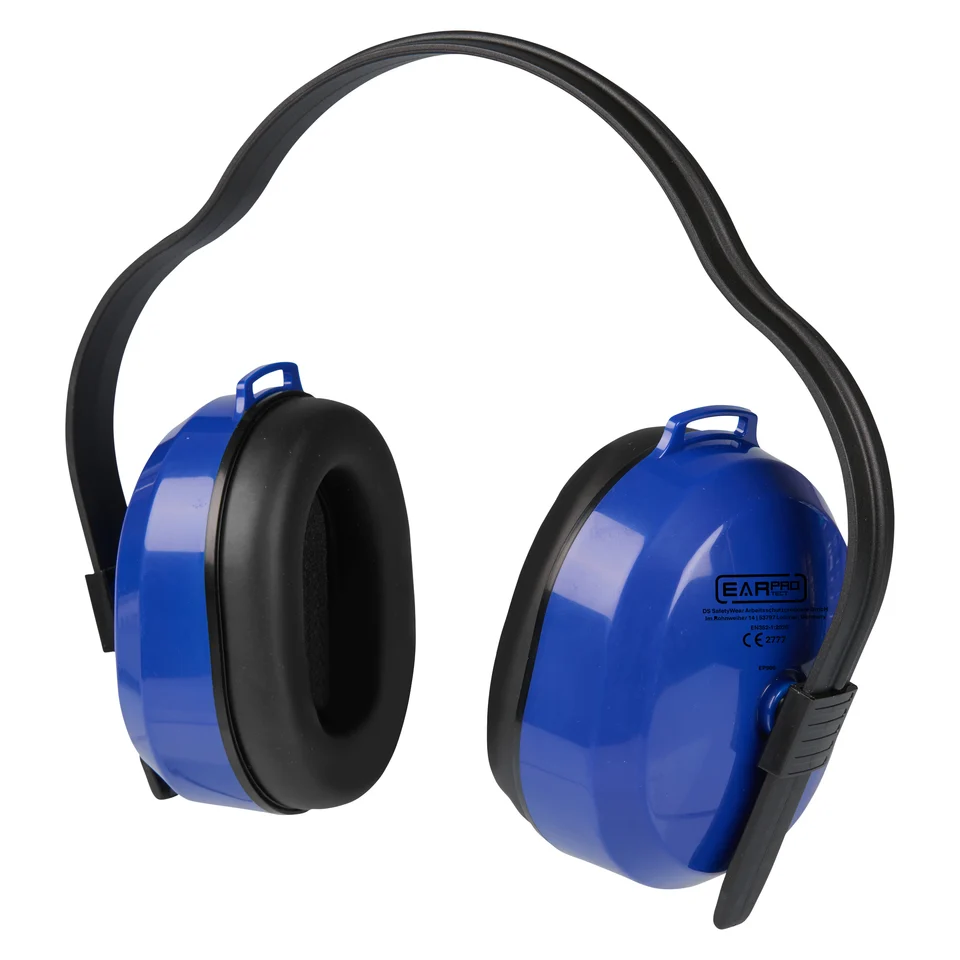
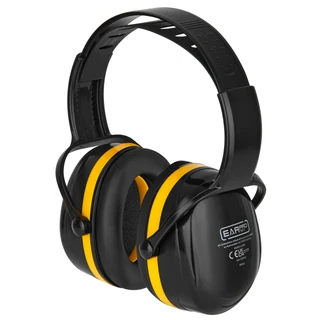
| EP902EP902 earmuffs EP902, SNR 33 | 26 dB | 65 dB(A)Too strong?Check for overprotection | 71 dB(A)RecommendedRecommended | 75 dB(A)RecommendedRecommended |
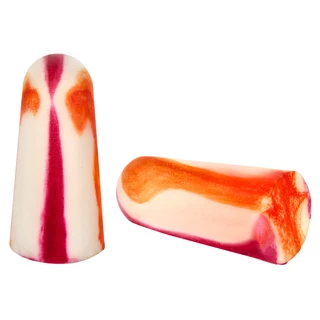
| EP001YReusable silicone earplugs EP001Y, SNR 32 | 24 dB | 67 dB(A)Too strong?Check for overprotection | 73 dB(A)RecommendedRecommended | 77 dB(A)RecommendedRecommended |
| EP906EP906 earmuffs EP906, SNR 30 | 23 dB | 68 dB(A)Too strong?Check for overprotection | 74 dB(A)RecommendedRecommended | 78 dB(A)RecommendedRecommended |
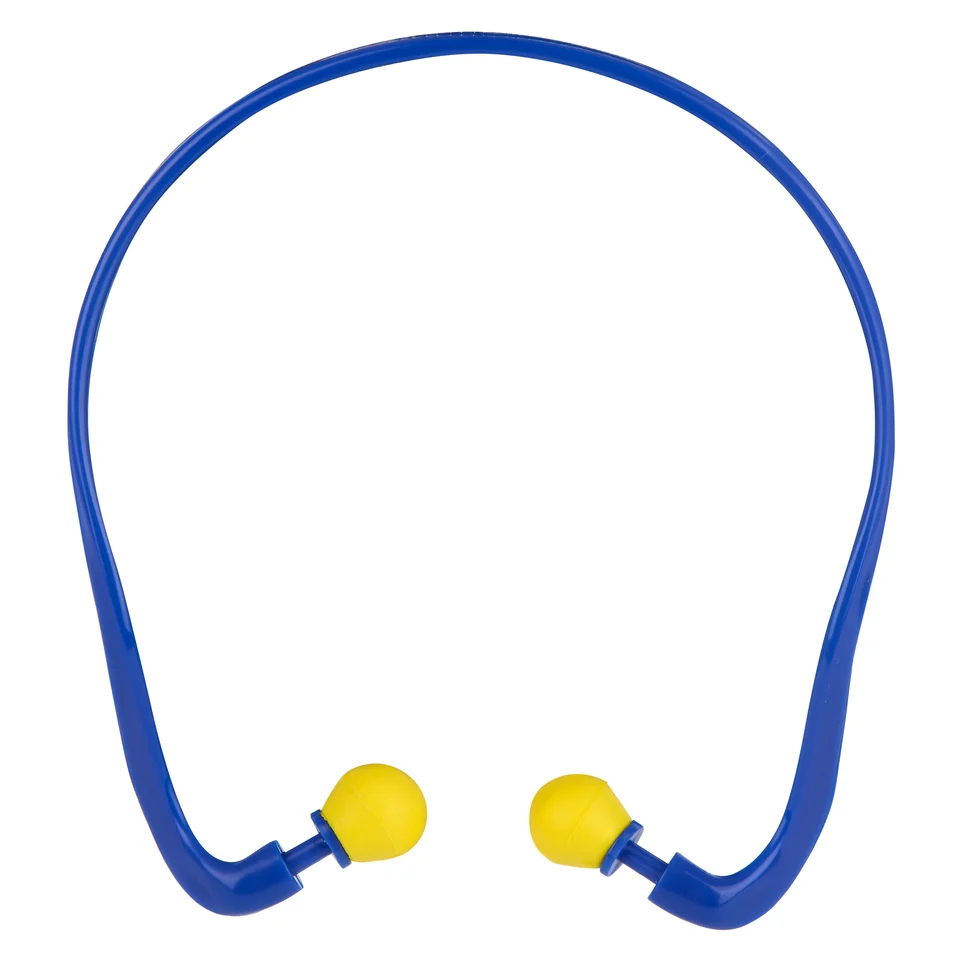
| EP100BYBanded earplugs EP100BY, SNR 29 | 21 dB | 70 dB(A)RecommendedRecommended | 76 dB(A)RecommendedRecommended | 80 dB(A)RecommendedRecommended |
| EP904EP904 earmuffs EP904, SNR 28 | 20 dB | 71 dB(A)RecommendedRecommended | 77 dB(A)RecommendedRecommended | 81 dB(A)Not rec.Not recommended |
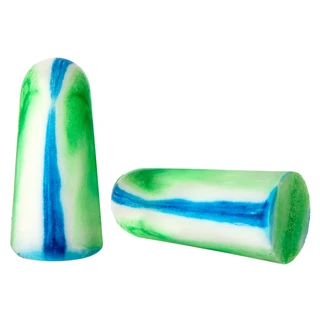
| EP102BOBanded earplugs with conical tips EP102BO, SNR 27 | 19 dB | 72 dB(A)RecommendedRecommended | 78 dB(A)RecommendedRecommended | 82 dB(A)Not rec.Not recommended |
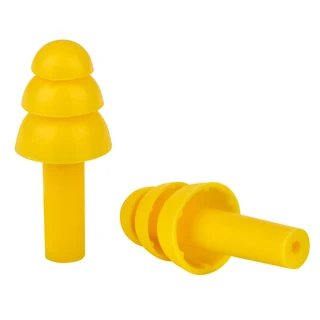
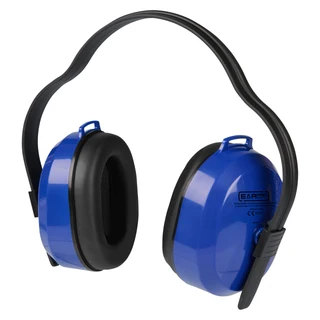
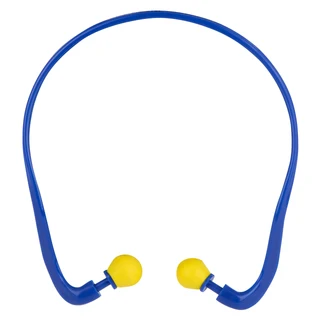
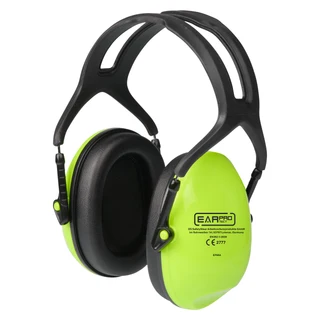
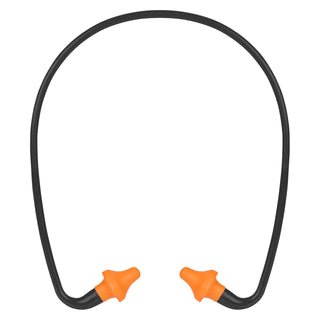
On the hand-held circular saw at around 101 dB(A), the EP1227 disposable earplugs and the EP902 earmuffs are right in the target range with 75 dB(A) at the ear, as are reusable earplugs, the EP906 earmuffs and the EP100BY banded earplugs. The lightest models, EP904 and EP102BO, are just above at 81 and 82 dB(A). For the nail gun at around 97 dB(A), every hearing protector in the table fits; for the daily exposure of 91 dB(A), the banded earplugs and the EP904 earmuffs.
In the framing shop and on the roof
- Frequent switching between sawing, nailing and assembly: earmuffs are quick to put on and take off (BG BAU).
- With safety glasses or when sweating under earmuffs: earplugs (BG BAU).
- Quieter sawing: AUVA calls low-noise saw blades a very effective and comparatively inexpensive measure.
- Colleagues near the saw are affected too.
Frequently asked questions
How loud is a circular saw?
In AUVA measurements, the hand-held circular saw averaged 98.2 dB(A) in the workshop and 101.3 dB(A) on site, the sliding table saw 94.7 dB(A).
Which hearing protection for carpenters?
For noisy work at around 97 to 101 dB(A), disposable and reusable earplugs, the EP100BY banded earplugs and the EP902 and EP906 earmuffs fit according to the HML check. Anyone who works a lot with a hand-held circular saw or a petrol chainsaw has the most reserve with the EP1227 disposable earplugs or the EP902.
How high is carpenters’ noise exposure?
BG BAU gives a daily exposure of 91 dB(A). AUVA found 92.4 dB(A) in the workshop and 87.5 dB(A) on site. For a cautious assessment, it recommends assuming the 95th percentile: 96.5 and 92.7 dB(A) respectively.
Sources
- AUVA Report 85 “Noise exposure at workplaces in carpentry and joinery workshops”, table 10, in German
- BG BAU: Noise in the construction industry, practical guide (source DGUV, February 2011), in German
- Directive 2003/10/EC on the minimum health and safety requirements regarding the exposure of workers to noise
Typical values for estimation. They do not replace a measurement or a risk assessment. As of 5 October 2026.